The information provided on this site is for educational purposes only and does not substitute for professional medical or psychological advice. Consult a medical professional or healthcare provider for advice, diagnoses, or treatment. Claire Evers is not liable for risks or issues associated with using or acting upon the information on this site.
- Quotes on developing resilience
- Resilience Meaning
- Psychological Resilience
- Resilience Examples
- How to build resilience
- Conclusion
Quotes on developing resilience
“You may have to fight a battle more than once to win it.”
Margaret Thatcher
“Do not judge me by my success, judge me by how many times I fell down and got back up again.”
Nelson Mandela
“I can be changed by what happens to me. But I refuse to be reduced by it.”
Maya Angelou
“Grief and resilience live together.”
Michelle Obama
“Our greatest glory is not in never failing, but in rising every time we fall.”
Confucius
“If you’re going through hell, keep going.”
Winston Churchill
“Persistence and resilience only come from having been given the chance to work through difficult problems.”
Gever Tulley
Resilience – Toughness – Tenacity – Self-actualization
Resilience Meaning
By now, I’m sure you’ve noticed what some rather influential people have to say about resilience, or it’s synonyms. It isn’t the absence of problems, it’s the tenacity to keep trying, no matter how many times you’ve failed.
We all have the ability to be resilient. But what causes some people to seem more resilient than others?
Psychological Resilience
Below is Maslow’s hierarchy of needs and how they relate to our behavior when facing crises. There are a number of levels of needs that need to be met before we’re capable of reaching our highest self and develop strong emotional intelligence.
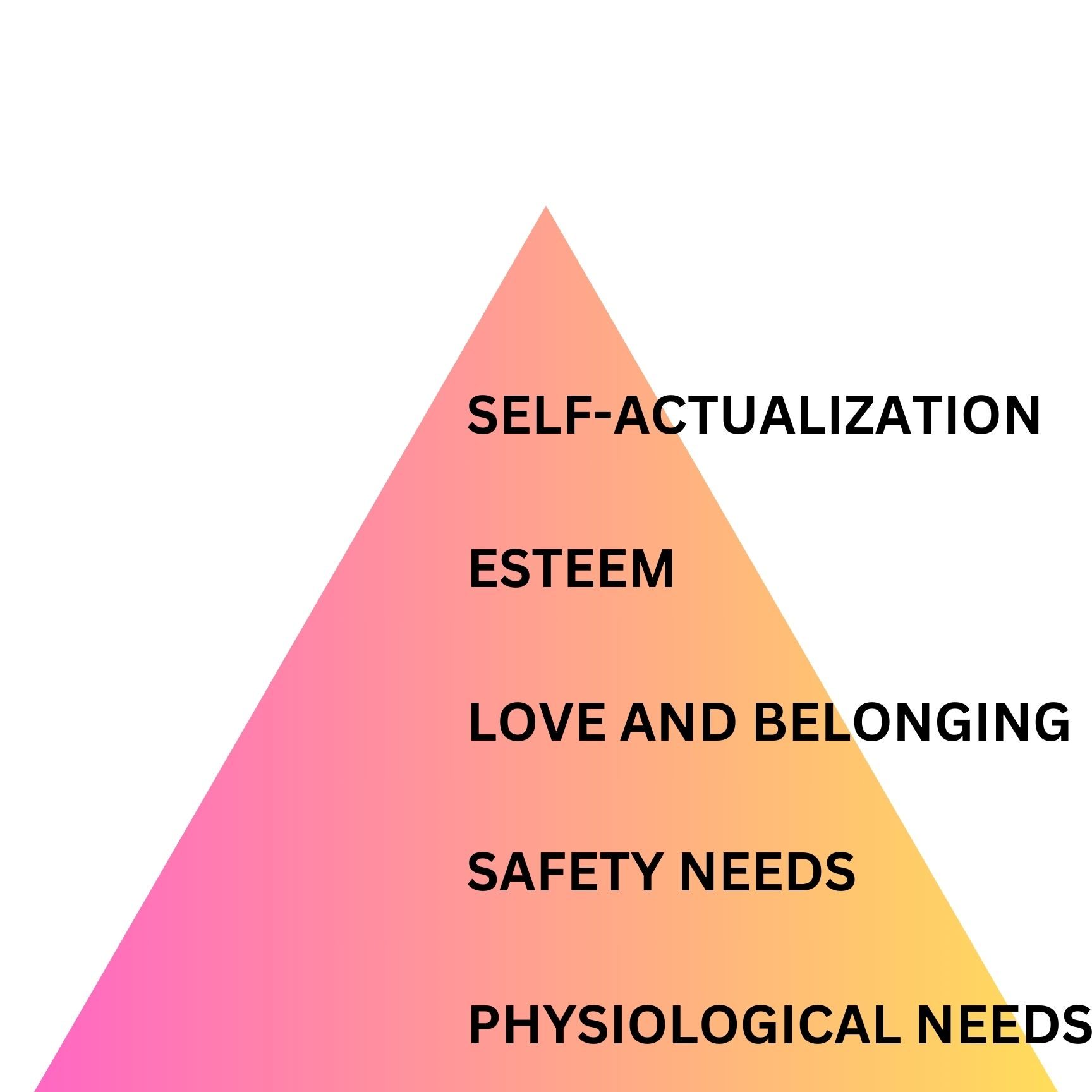
Physiological Needs
- Air
- Water
- Food
- Shelter
- Sleep
- Clothing
- Ability to reproduce
If we have these, then our basic ability to survive in this world has been met. In cases of disaster, relief first comes to meet these very needs. The absence of these things, especially over a longer duration, can lead to anxiety. If you’re experiencing a crisis and need help meeting any of these needs, don’t be afraid to reach out for help. People you know, organizations and governmental programs are worthy places to start. Don’t be afraid to ask for help.
Safety Needs
- Personal security
- Employment
- Resources
- Good health
- Property
We need to feel safe, no matter where we are in the world. We need a job that pays our bills- provides us with the resources necessary to perpetuate healthy decisions that can lead to good health, instead of scrambling for funds while depleting ourselves just to fulfill our physiological needs. Then there’s property. Not necessarily a house our something that produces income, but things that belong to us. The ability to feel ownership of our space, whether it’s rented or not. This is the survival stage. Once this is taken care of, it’s easier to engage in the next.
For anyone whose survived trauma, whether it was a single incident or an ongoing situation, resiliency is a path that will require more emotional intelligence to develop. If resilience is built through overcoming difficult situations, then processing trauma and coming to a place of healing so that you can pursue the next levels of needs will build your emotional resilience. If you need to seek out help from loved ones or from other sources, don’t be afraid to do so. We aren’t made stronger simply by experiencing adversity, we build resilience by not giving up in the face of it. Don’t give up.
Love and Belonging

- Friendship
- Intimacy
- Family
- Sense of connection
Without these, our social health deteriorates, and can affect our self-esteem or general sense of wellness. Connections to loved and trusted individuals can help us weather some difficult life circumstances, like the loss of a job, health issues.
Esteem
- Other peoples’ good opinion
- Respect
- Recognition
- Person of status
- Power
- Strength
- Freedom
Our self-esteem gets a boost from experiencing these things. So much of social media success today is focused on helping people become freer with their time. It’s the status hotline. Even if social media isn’t your cup of tea, we still crave a positive perception from those around us. Once we have a taste of that, it’s easy to move on to the next step.
Self-actualization
Here is where we are finally able to not only experience the desire to become the best version of ourselves, but because all of our other needs have been met, we are actually now capable of doing just that.
How close are you to achieving self-actualization? Are there any steps you can take in whatever stage you’re in to meet your own needs? Any people you can ask to help you? For those who are trying to meet their basic physiological needs, can you imagine what your life would be like if you got to the stage of self-actualization?
If you aren’t where you want to be, can you create a plan to help yourself see the journey to where you want to be? I like to make out a list of goals that goes out months in advance. I don’t usually meet this list of goals, but at least I have something tangible to work towards. As I achieve my goals, I highlight them in green to signify the growth that is taking place with each new goal achieved.
What do you do to celebrate your goals? How do you approach goal-setting? Feel free to leave a comment at the end of the post!
Resilience Examples
One of the greatest human interest stories in sports- Kurt Warner, the arena football player who won the Super Bowl in his first NFL season, did so despite widespread doubts over his abilities and age and years of rejection. His path to his dreams wasn’t exactly easy.
Malala Yousafzai is one of many women who have fought for opportunities and who weren’t afraid to speak their minds. Watch this YouTube Video to hear her thoughts on Resilience.
How to build resilience
There are a number of ways to build resilience. Below are some ideas to help you better understand the challenges you’re facing and how to manage the stresses of life so that you’re capable of exhibiting high emotional intelligence and resilience whenever you face your next challenge.
Sharing our struggles
Sharing our struggles is the first way to build resilience during uncertain times. We don’t always want to ask for help, but if our basic needs like food and shelter aren’t within our grasp to provide for ourselves, it is okay to reach out and ask for help from friends, family, charitable organizations, or file for governmental assistance. There are a lot of programs out there that can help, from unemployment programs, to food pantries or food stamps, to governmental health care. Don’t be afraid to make use of these programs. It may not feel good at the time to ask for help, but your basic needs, or those of your loved ones are too important to hold onto your pride.
Maybe you have a job and a place to live, but your job isn’t guaranteed, or the health of a loved one is in jeopardy. Maybe it’s your own. Maybe you live or work in a space where you don’t feel safe.
If this is you, you’re not alone. Everyone goes through tough times or occasionally feels like a failure. Luckily, in addition to friends and family members, there are groups that meet about these issues, especially health-related ones. Feelings of being under threat or not safe are wearing. Sharing these with the proper authorities (HR department, or police) can be a good first step to understanding what can be done.
Take care of your physical health
Exercise, sunlight, sleep and proper nutrition. It’s amazing what these can all do together to help you develop resiliency. Going through a rough time? Take a walk, let the sun shine on your face, set yourself up for a good nights’ rest, and take a good look at what you’re eating. If one of these things gets out of balance or there’s an area of lack, it’s difficult to remain healthy enough to deal with unusual stress.
Practice Mindfulness
We can’t control everything in life, so we need to find ways to let go of our desire to control what happens to us. Some people find release in going about their day, mindfully appreciating the things they can do, even in the face of the things they can’t do, or struggle to do. Only when we let go of the things we can’t control do we build emotional resilience. Holding onto the stress for things outside our control will only bring us down and cause more stress.
Meditation
Others enjoy meditation as a way to release the stress. To get started, there’s guided meditation where you go through the process by listening to verbal instructions, and much of this practice is focused on breathing. It’s perfect for beginners and there are several apps out there that will help you get started.
Metta Meditation cultivates loving kindness. It breeds compassion for yourself and others. In this space you focus on your own needs and the needs of others to enhance your ability to feel empathy for others and yourself.
Walking is, believe it or not, a type of meditation. It’s ideal for those who tend to lead fairly sedentary lives. In this practice you focus on linking your breathing with your movements, allowing yourself to move and mindfully feel how your breathing and movement are affecting you.
Sound healing is done through listening. People normally lay down while they listen to the sound of drums and signing bowls. The practice is meant to realign your body’s natural vibrations with your ideal vibrations.
Yoga Nidra is a guided form of deep meditation. It induces a sleep-like state, something people refer to as ‘yogic sleep’. If you are having a hard time with getting proper rest, this could be ideal for you.
Chakra Meditation seeks to balance out the opposing energies in your body. You can choose to focus on one energy center, or chakra, of your body or the whole system. Deep belly breaths while focusing on the chakra, visualizing it, helps to sense what is out of balance within yourself. If you need more time to focus on one are over another, that’s okay.
Mantra Meditation helps to rewire neural connection through the mental repetition of a word or sound. This practice also links your breathing with your activity.
Transcendental Meditation involves the repetition of a word or phrase. These can be motivational or loving towards yourself. Whatever you choose, the practice is highly systematic and can be changed to fit your needs for the moment. The goal is to feel at peace with yourself and your environment.
Depending on where you are in your journey to resilience and your comfort levels with meditation, any approach could work for you. Even combining approaches could be good, like using walking meditation for a ten-minute walk, then using transcendental meditation before bed to help lower your cortisol levels before you sleep. Whatever combination you use, meditation has amazing health benefits and has been shown to increase the amount of grey matter in our brains- the stuff that allows us to form new neural pathways- with regular usage.
Gratitude
There’s the old adage: “No matter how bad things are, they can always get worse.” As uninspiring as that is, there’s a truth to it. So while we still have the good things in our life, however big or small they may be, take a moment to appreciate them. Maybe make a list for yourself so that when you go to a dark place, you can remind yourself of the things you have that are good. Maybe keep a record of the challenges you’ve faced and conquered.
Gratitude may reshape the way we view the problem(s) we face. You never know, you may be further through the path of difficulties than you thought, in which case, you should definitely keep going.
Conclusion
We all have the ability to build resilience, but if you take the time to develop your emotional intelligence by using the following strategies, you can get started building resilience.
- Acknowledge where you are on your journey
- Find ways to meet your basic needs
- Share your struggles
- Take care of your physical and mental health
- Meditate to open yourself up to the changes you need to make
- Practice gratitude so you can maintain a positive outlook while being challenged
It will take conscious effort, but you are capable of building resilience.
May God Bless and Keep You.
What do you do to develop resilience?
Related Posts




 Claire Evers
Leave a comment