The information provided on this site is for educational purposes only and does not substitute for professional medical or psychological advice. Consult a medical professional or healthcare provider for advice, diagnoses, or treatment. Claire Evers is not liable for risks or issues associated with using or acting upon the information on this site.
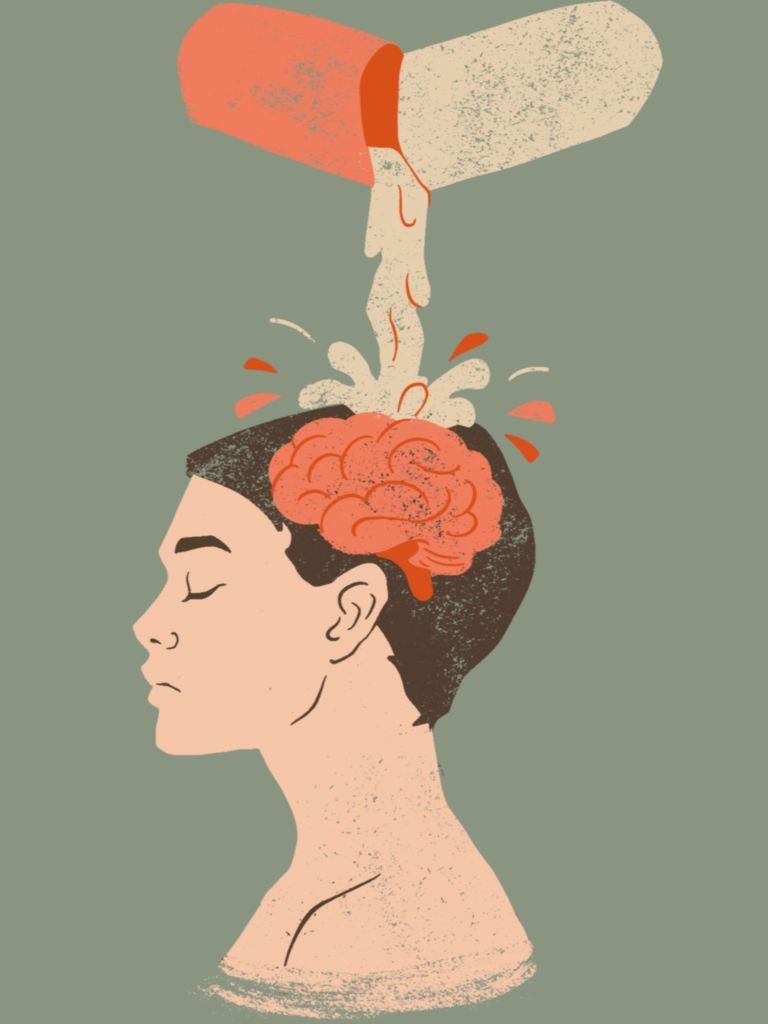
Disclaimer
I realize that addiction and recovery are incredibly sensitive topics. For anyone who is reading this post, please understand that the intent of this content is to engage awareness of the types of addiction out there, how addiction works on a general scale, how to overcome addiction alongside professional help, and how to support a loved one who is battling addiction. If you are looking for a scientific treatise on how to overcome addiction, this may not be the post for you.
What is addiction?
Drugs, alcohol, gambling, sex, porn, shopping, tobacco, social media … the list goes on and on. But what do drugs and shopping have in common?
They affect your brain, and put together dangerous pathways that leave you with a need to feel good, by whatever means necessary. People experience addiction in different ways and at different times. It’s a cyclical existence unless you seek proper treatment and use appropriate measures of self care.
Stages of addiction
- Initial use
- Experimentation
- Regular Use
- Risky Use
- Dependence
- Addiction
- Crisis/Treatment
How do I know what level of treatment I need?
The addiction severity index is a comprehensive list of questions that determines the necessary measures a person needs to take to break their addiction. If you think you may be anywhere on the above scale, and struggle with substance abuse, it may be good to contact the Substance Abuse and Mental Health Services Administration, or SAMHSA. They provide a free consultation to help you get started on your journey.
View the main page of their helpline website here.
You might be surprised to see substance abuse and mental health put together in one place. The reason for this is simple: addiction is a mental health struggle because at it’s core, addiction is a learned pattern of self-soothing behaviors.
Drugs, sex, gambling, porn, alcohol, shopping, tobacco, social media.
We all like to feel good, but if the coping mechanism outweighs your ability to function normally, then the behavior you use to deal with stress, trauma or depression is controlling you. You are an addict.
I don’t mean this as a judgment. This first step to healing is acknowledging the problem.
Addiction Recovery
Be Honest
First- be honest with yourself. State your addiction. Admit how your behavior is not only affecting your well-being, but also that of those you love, your health, your finances … you name it. All of it. Where it comes from- inherited, learned, a product of abuse to deal with the trauma, or some other source like peer pressure.
Seek professional help
Second- seek professional help. Maybe you’re lucky and can afford to pay for regular psychological treatment or an addiction recovery experience (rehab). But it’s possible that help may come in the form of a free support group. (AA- Alcoholics anonymous, NA- Narcotics Anonymous, CA- Cocaine Anonymous, CMA- Meth Anonymous, Gamblers Anonymous, even Facebook has support groups for shopping addiction.) Your family loves you and would love to help you out, but addiction is a unique challenge and each type of addiction is unique. Seeking support from others who share your challenges will help. There are lots of twelve step programs that can help set yourself back on track to where you’d like to be.
Whichever route you take, the journey will be worth it.
Use mindfulness to check in
Third- continue on your journey while being mindful of where you’re at. It may be wise to ask trusted friends or family members to help you check in every now and again to help get a gauge of your behaviors, and of your triggers or temptations.
Ask for help
Fourth- don’t ever be afraid to ask for help. Your friends and family love you. No one wants to see you struggle, but if you are struggling, let them know. They will want to support you as you navigate your challenges.
Living with an alcoholic or addict
I’ve seen the behavior, and the struggle, and in multiple generations. From what I’ve been able to observe, behaviors- especially unhealthy ones- are easily passed down within a family.
Even normally mentally healthy individuals can slide into addictive behaviors if the conditions are right. Stress levels rise and the human brain sends out a signal that it needs more of something that makes you feel good. Sex. Alcohol. Drugs …
If you don’t struggle with addiction, but you know and love someone who does, I see you. It isn’t easy to be around someone who at the drop of a hat can go from normal and in-control to acting secretive, hiding something, and denying any problems until you catch them in the act of an addictive behavior. It’s heartbreaking, not only because of the lost trust, but because you see their struggle and you want to fix it for them.
In the end, though, your role is to be honest and supportive. Please don’t read that as enabling. Support and enablement are two different paths and an addict will always make use of the latter. Depending on what stage your loved one is in, you will need to adjust your approach with how you help them.
SAMHSA is still a good resource to start with, even if your loved one doesn’t struggle with substance abuse per se. But if you’d like something specialized, it would be good to reach out to the association that deals directly with the type of addiction your loved one is facing and ask for resources for family or partners.
How to support a loved one with an addiction
Try to understand what the world feels like to them.
We all have ups and downs. A person who struggles with addiction may feel those changes more keenly than others. The fight to ignore the anxiety they feel when they don’t engage in what they feel are necessary coping behaviors is tough.
Picture a bad day for you. Now picture every nerve ending in your brain telling you to engage in harmful behavior to deal with things.
It’s that difficult to ignore.
The closer your LO is to their patterns of addiction, the harder they are to ignore. And time is not a guarantee that the struggle won’t return. Life changes; environments change. The struggle will likely always be there. It’s just that some days are good days, some are bad. Or perhaps there will be bad/good months or bad/good years.
Recognize Patterns
We all have them. What types of situations cause your LO to spiral. Identify them. Identify how they react to them. Identify how they react to being called out on their behaviors. Identify how you react to your LO’s addiction and, quite possibly, their denials of their addiction. It may not only take years for your LO to admit to having a problem, but it may also take time for them to acknowledge where their problem stemmed from. The sooner you can figure out the pattern, the easier it is to approach difficult or delicate situations with the right amount of tact, helpfulness and honesty.
Research alternatives
Addiction is a pattern of self-soothing behaviors. Since we don’t want to trade one addiction for another, I wouldn’t suggest moving from obsessing over one behavior type to another, but finding a way to balance out the stress, environment, situation, learned pattern, etc. that’s causing the addiction first.
AKA: Treat the cause, not the symptoms.
Seek professional help, or have your loved one take an addiction severity index assessment. These are performed in clinics and mental health centers. Self assessment is possible as well, but an interview setting is recommended for the most accurate understanding of all 160+ questions.
Communication
Even with therapy, communication between yourself and your loved one is crucial.
If you’re looking for a good intro to having better communication, I’d wholeheartedly recommend “We Need To Talk” by Celeste Headlee.
Communication has so many levels and when you’re attempting to get through to a LO about their addiction and its’ effects, knowing how to approach communication, in general, is always a plus.
Acknowledge your needs
Your loved one is likely not only dealing with their addiction, but also the underlying causes of it. Trauma and Depression are major factors that can lead to addiction. But that doesn’t mean your needs don’t matter. They do.
The effects of addiction are varied and can take a toll on your relationship with your loved one. Whether you’re living with an alcoholic or rebuilding trust in your relationship from their behavior, it isn’t always easy to trust or love a person with addiction. You may even find yourself becoming hypervigilant when keeping an eye out for addictive patterns.
If you need a break, or to take a step back and allow yourself time to heal from the hurts, frustrations, or consequences from your LO’s addiction, that is understandable.
No one is asking you to be superman or superwoman.
If you are feeling worn down, or that you need a change in relationship dynamic, try and talk to someone who doesn’t battle addiction first about how you are doing. Coming up with a plan from someone who is capable of seeing your struggles clearly will help you to better acknowledge your own thoughts and feelings.
When the time is right, share them with your LO.
They need to hear from you how their behaviors are affecting you. Your family. Your job. Your education. Whatever it is, you don’t have to stop your life entirely to help your LO.
You can only give what you are capable of giving. And if you give until you are depleted, without bothering to fill your own cup when you’re running low, you put yourself at risk, too.
It’s okay to ask for help. It’s okay to cry. It’s okay to feel angry or frustrated. You’re not alone, and your LO may not be the only who could benefit from a support group. Whether it’s a formal addiction-based support group or not. Don’t be afraid to open up about your struggles while supporting your LO.
I hope this post has been helpful and encouraging as you navigate your own addiction or that of your Loved One, but if it hasn’t been and/or you have any suggestions or comments for me, please feel free to leave them below, I’d love to hear from you.
May God Bless and Keep You.
Related Posts

Now available to read for free on Kindle Unlimited!!!

 Claire Evers
Leave a comment