The information provided on this site is for educational purposes only and does not substitute for professional medical or psychological advice. Consult a medical professional or healthcare provider for advice, diagnoses, or treatment. Claire Evers is not liable for risks or issues associated with using or acting upon the information on this site.

The chances of you developing a secondary mental health disorder is high if you’ve already been diagnosed with Depression or Anxiety.
But which disorder comes first? And how is it diagnosed or treated?
If you’ve struggled with Anxiety or Depression you know how debilitating even one of these disorders can be. I can tell you from personal experience that battling both feels impossible. I hope that if you’re reading this that you find some understanding of Depression and Anxiety, how they work together, and how to cope with Depression and Anxiety.
Let’s get into it.
Depression v Anxiety
While there may some similarities in physical response and overall lowering of functionality due to either of these diagnoses, Depression and Anxiety have two distinct sets of diagnostic requirements and symptoms.
Depression
According to the latest version of the Diagnostic and Statistic Manual of Mental Disorders (DSM-5), Depression is classified as a ‘Depressive Disorder’ with five or more of the following criteria, with the required experience of at least one of the first two.
- Experiencing a depressed mood that may or may not be observed by others
- Losing interest or pleasure in almost all activities in a way that may or may not be fully observed by others.
- More than a 5 percent increase/decrease in weight that is unintentional and may be due to increased/decreased appetite.
- Experiencing sleep issues such as insomnia or increased need for sleep.
- Psychomotor changes, AKA changes in speed for your mental processing (slower/faster) or changes in physical movements (slower/faster), that are observable by others.
- Fatigue, low energy or decreased efficiency for everyday tasks.
- Excessive, inappropriate or delusional guilt or general sense of worthlessness.
- Noticing a lowered ability to concentrate, think or make decisions. This change can also be noticeable by others.
- Experiencing a fixation on death and thoughts of committing suicide, or attempting to commit suicide.
The severity of the above symptoms need to meet the criteria of the below:
- The symptoms cause clinically significant distress or impairment in social, work, or other important areas of functioning.
- The symptoms can not be attributed to the use of recreational drugs, prescribed medications or any underlying health conditions (i.e. hypothyroidism).
There is also something known as an anxious major depressive disorder. People with this diagnosis tend to suffer more severe role impairment and pronounced physical symptoms and have a harder time achieving remission than a person with a non-anxious major depressive disorder.
Anxiety
According to DSM 5, Anxiety involves an excessive amount of worry or anxiety that happens more days than it doesn’t for a period of at least 6 months. This level of worry is difficult to control, and the anxiety results in at least three of the following symptoms.
- Feeling restless or on edge
- Being easily fatigued
- Blanking out or having difficulty concentrating
- Being more irritable
- Muscle tension
- Sleep difficulties
- Insomnia
- Difficulty staying asleep
- Sleep disturbances that cause an unsatisfying sleep
Other symptoms that people with Anxiety can also regularly cope with are:
- Feeling a sense of doom or a reason to panic
- Chronic fatigue (despite decent sleep)
- Brain fog with concentration issues
- Physical symptoms
- Headache
- Muscle Tension
- Nausea
- Diarrhea
- Anxiety Attacks
- Panic Attacks
Mixed Anxiety and Depressive Disorder
This diagnosis, also referred to as MADD, isn’t recognized by the Diagnostic and Statistics Manual of Mental Disorders (DSM), but there is still an ICD-10 code (diagnostic code used by doctors) to label patients who are dealing with both Depression and Anxiety to a level that isn’t quite distressing enough to be considered ‘clinical’ Depression or Anxiety.
There is some debate over whether or not this diagnosis ought to be included in a future update to the DSM, but for now, the doctors and professionals who are advocating for the inclusion of this diagnosis into the DSM do so on the same thought pattern behind treating common colds.
Experiencing a seasonal cold is likely to happen, and there are a variety of medications in varying degrees of dosage and use available to those suffering from it, not to mention other forms of practical treatments. While a seasonal cold is a lower degree medical complaint, those suffering from the worser possible symptoms of it would argue otherwise for at least a short time. Also, there is not stigmatization for seeking out professional care for the treatment of more stubborn cases of the common cold.
In this same vein, psychiatric professionals in favor of including MADD into the next iteration of the DSM want to see the inclusion so better treatment plans and research can be conducted to help those suffering from lower grade Depression and Anxiety before their symptoms worsen into full-blown syndromes.
Mixed Anxiety and Depressive Disorder Symptoms
The symptoms of this disorder are the same as listed for Depression and Anxiety separately, only the severity of symptoms isn’t as distressing/debilitating, out of control, or long-lasting as it would be for someone to receive a regular diagnosis of Anxiety and Depression.
Warning Signs of Depression and Anxiety
In general, the warning signs for Depression and Anxiety involve a lack of interest, or avoidance of things that were once considered enjoyable/rewarding activities.
Anxiety induced Depression
For years, researchers believed that if you received a Depression diagnosis, that you were more likely to develop a form of Anxiety. More recent studies, though, have found that Anxiety usually predates Depression in those who receive clinical diagnoses of both Depression and Anxiety. The reasoning behind this lies in the isolation and hopelessness found as a result of different forms of Anxiety, and how difficult it can be to treat different forms of Anxiety.
Knowing this, it does feel a bit strange then that most frontline medications prescribed for Anxiety are actually Anti-Depressants. Hopefully with further research, treatment plans will evolve to include this understanding of which disorder most likely came first.
Understanding Depression and Anxiety
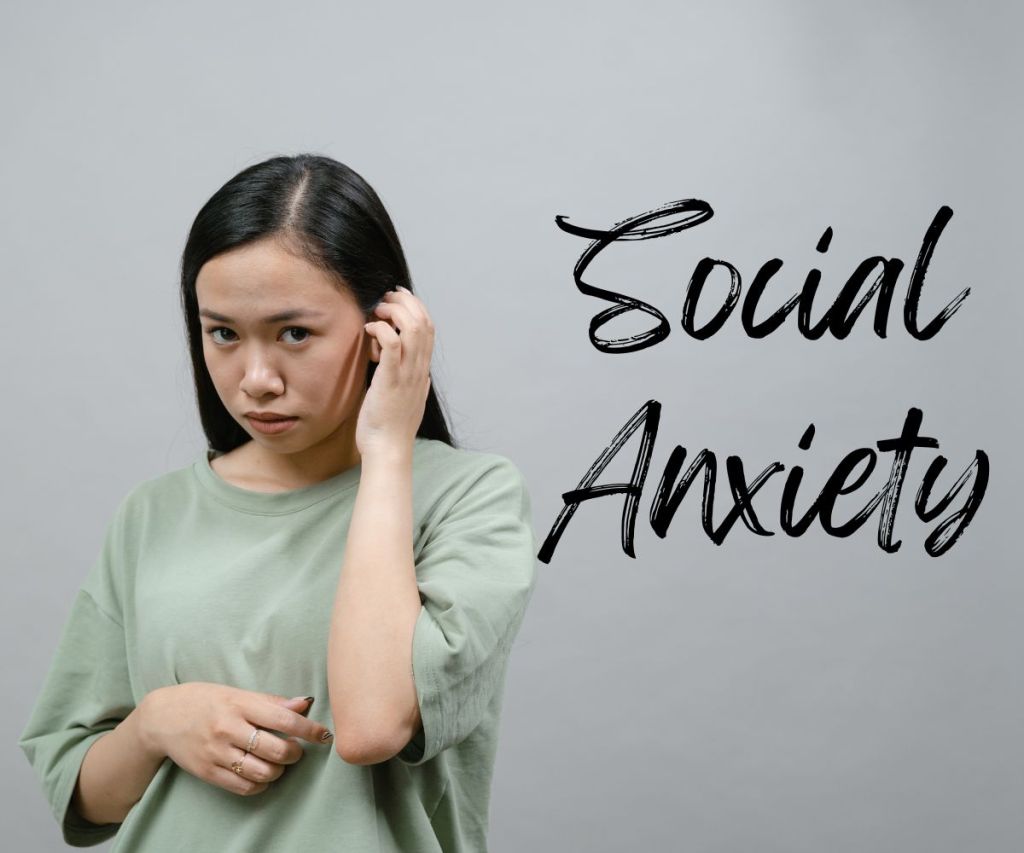
Social Anxiety and Depression
There are a lot of possible comorbid disorders and health concerns that accompany Anxiety and Depression which can add to the challenge of developing an effective treatment plan. In general, the more severe your symptoms of Anxiety are, the worse the prognosis will be not only for your Anxiety but also for your Depression and any ideations of suicide you may have, and inevitably lead to more impairment due to the severity of your symptoms. Social Anxiety, in particular, has shown to lead to an increased risk for developing a major depressive disorder, due in part to the isolation and inability to seek proper help or treatment.
Chronic Pain and Depression and Anxiety
Chronic Pain shows up as a result of either or both Depression and Anxiety. The more severe your Anxiety, the higher the risk of experiencing a deeper Depression, and more challenging somatic (bodily/physical) symptoms. As someone who’s struggled with this, I understand the frustration of communicating to others how much physical pain you deal with and how debilitating chronic pain can be. Some people think you just need to stretch and move, and while there is some validity to that, there’s so much more to treating the source of the chronic pain and understanding that it takes time to lower your levels of chronic pain.
Rome wasn’t built in a day, and if your Depression and Anxiety are so bad that you suffer chronic pain, a good first step would be to reach out for help from a qualified professional. Severe Depression and Severe Anxiety need to be treated either with medication, cognitive behavioral training (or other form of appropriate psychotherapy) and with proper self care.
My chronic pain flares up in times of increased stress, which inevitably lead to deeper struggles with my depression and anxiety. This is when it’s hardest to take care of yourself. Don’t be afraid to reach out for professional help, but also keep in mind that sharing your struggles with trusted loved ones, even if you don’t sit around and explain your chronic pain to them, but discuss more about what’s going on in your life that’s causing you so much stress, you might just find the understanding you need.
Having a list of activities that can help you to keep your Anxiety and Depression in check is also helpful, and especially in times of significant distress.
Activities to help with Anxiety and Depression
We all need something to look forward to. For myself, writing gives me an outlet to not only express my thoughts, but also develop a skill to feel proud of.
And finding something positive to feel proud of where you’re on the struggle bus is important.
Maybe you don’t like writing, but you like reading. Try out your local library, or if you struggle with Agoraphobia, or Social Anxiety, try out your local online library. (Thank goodness for technology!)
Do a little exploring. Whether it’s online, in person, by yourself, or with a loved one. Having a creative hobby to destress and build up resilience to stressors has been clinically shown to help people living with Depression and Anxiety.
So try and explore a little.
Looking for ideas? Try out my post on Stress Reducing Activities for a fuller explanation of why creative hobbies help, and to find a list of hobbies to help you get started.
Living with Depression and Anxiety
You may struggle with maintaining interest in anything because of your Depression and Anxiety.
I hear you.
Just getting out of bed can be a challenge. Showering is hard. Performing daily life functions is draining, if not impossible, on some days.
The good news is that you don’t have to do everything, all the time. Find one necessary activity and do that. If nothing else, you can pat yourself on the back for doing that one thing and try again tomorrow. Maybe you’ll have an ‘up’ day and be able to do more.
But the constant back and forth between ‘up’ days and ‘down’ days can be exhausting within itself. You may feel like you just want to get to a more consistent place where you’re able to put out the same level of energy every day and lead a consistent lifestyle, even if it’s limited. Having to wait until the last minute to see how you’re doing before you commit to any plans is frustrating, but if that’s where you’re at, you’re not alone.
Anyone struggling with Depression and Anxiety can understand that you may not be able to predict ahead of time what you’re capable on any given day. All you can do is try your best and keep trying your best by challenging yourself when you can, and by showing yourself some grace when you need to.
That’s perfectly okay.
Embrace the good times and use self-care and as much emotional intelligence as possible during the bad times. Some ‘down’ days you may need to push yourself out of your protective bubble to build up some resilience. Other times, a ‘down’ day is a sign of true burnout and you may need to take a mental health day to reassess what is or isn’t working for you in your daily routine.
Only you can gauge what type of ‘down’ day you’re having, and the more you pay attention to what causes a spiraling episode, the more you’ll know what to avoid, and how to deal with it.
It will get easier. Just keep going.
May God Bless and Keep You.
Related Posts


Now available to read for free on Kindle Unlimited!!!

Coming Soon!

 Claire Evers
Leave a comment